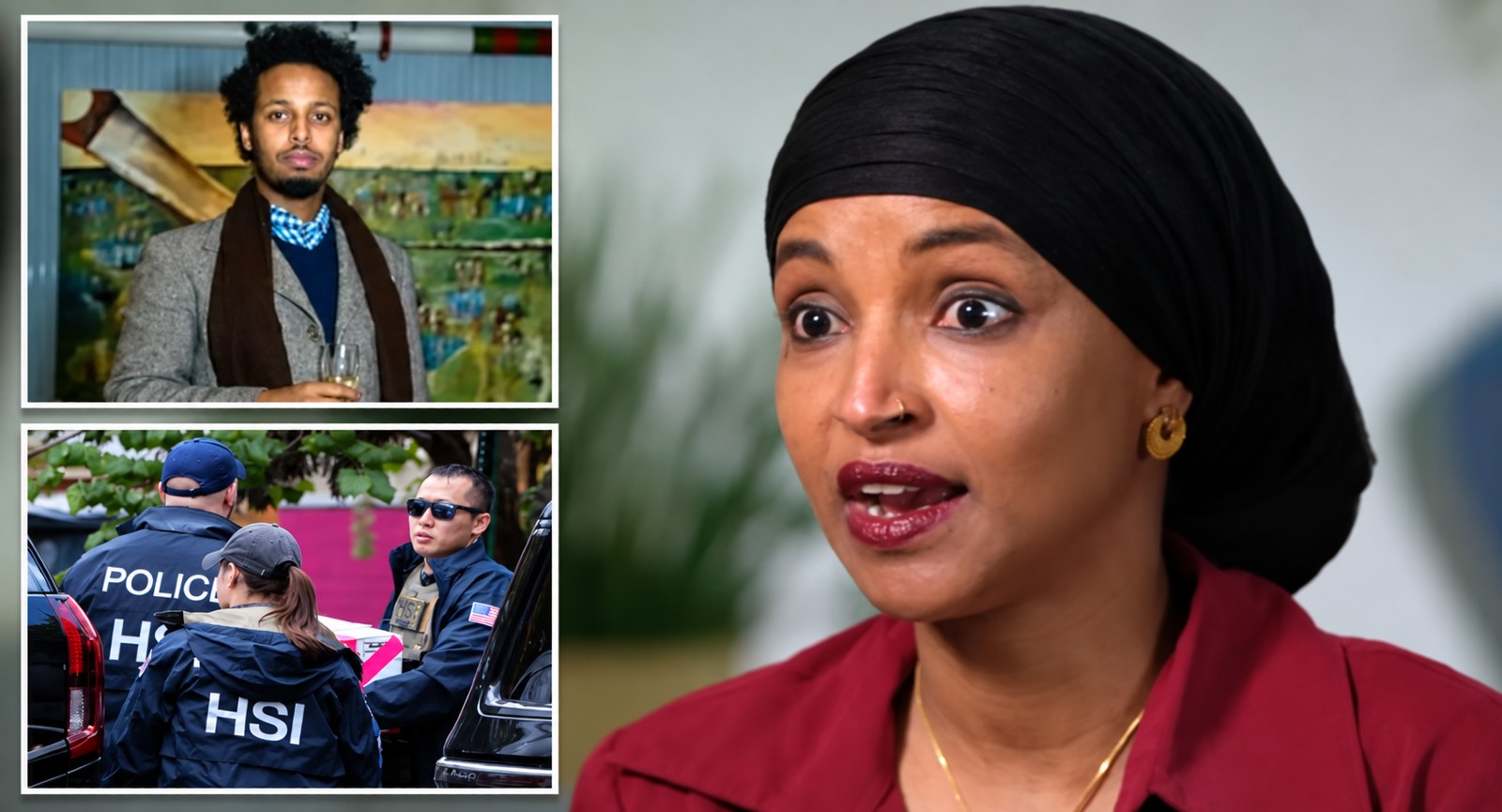
A former bodyguard for Democratic Rep. Ilhan Omar faces a federal felony charge as investigators examine information potentially relevant to the Minnesota congresswoman.
According to new reporting from The New York Times, prosecutors investigated Abdullahi Mohamed’s green card application and allegedly attempted to recruit him as an informant against Omar.
Abdullahi Mohamed was charged this year with lying under oath to a government official, according to reports.
The New York Times reported that prosecutors examined Mohamed’s green card application while seeking information relevant to Omar.
Mohamed’s attorney alleged investigators spent months attempting to recruit his client as an informant against the Minnesota congresswoman.
That allegation raises questions about investigative strategy, but does not establish that prosecutors acted unlawfully or obtained incriminating information.
The criminal charge concerns Mohamed, not Omar, and neither man’s guilt can be inferred from the investigation alone.
Prosecutors have not established that Mohamed’s alleged false statement proves any wrongdoing by the Democratic lawmaker.
Nevertheless, the reported development brings attention to federal scrutiny surrounding Omar’s immigration history and family records.
Republicans have repeatedly argued that immigration laws should apply consistently, regardless of political influence or congressional office.
President Donald Trump’s administration has prioritized enforcement of immigration requirements and investigation of suspected fraud involving federal documents.
The latest report describes prosecutors seeking potential evidence against Omar through someone who previously worked in her security detail.
Whether Mohamed possessed reliable information about Omar’s immigration history remains unclear from the available reporting.
His lawyer’s account also does not establish that Mohamed agreed to cooperate or supplied evidence implicating the congresswoman.
Omar has repeatedly denied wrongdoing and characterized the administration’s investigation as politically motivated retaliation against a prominent critic.
Federal agents searched her Washington residence October 12 after obtaining a judicially authorized warrant in an ongoing criminal investigation.
Investigators have scrutinized whether information submitted by Omar or relatives during immigration and naturalization proceedings was accurate.
Reports have identified possible false statements and conspiracy among subjects under examination, without establishing that those offenses occurred.
The congresswoman has not been charged in that investigation, and her legal representatives reject allegations concerning her citizenship.
Federal investigators also issued subpoenas to relatives and other potential witnesses, according to reporting following the October search.
Subpoenas seek testimony or documents and do not establish that recipients committed crimes or participated in wrongdoing.
The inquiry has generated controversy because investigators searched a sitting lawmaker’s home shortly before the November midterm elections.
Democratic leaders criticized the timing, while administration officials maintained that credible allegations warrant investigation under applicable law.
Homeland Security Secretary Markwayne Mullin publicly described the inquiry as a strong case and discussed additional search warrants.
He said authorities expected to present evidence to a grand jury, although that statement did not announce charges.
Vice President JD Vance has also defended investigating potential immigration violations while emphasizing the need for factual evidence.
Republicans supporting rigorous enforcement contend that equal treatment requires examining credible allegations involving powerful elected officials.
That principle also requires prosecutors to respect constitutional protections, evidentiary standards, and the presumption of innocence.
A federal magistrate judge reportedly imposed safeguards governing investigators’ access to materials potentially protected by congressional legislative privilege.
Omar’s lawyers subsequently accused authorities of violating those safeguards, allegations the Justice Department publicly disputed.
The disagreement illustrates the legal complexity of investigating a member of Congress without intruding upon protected legislative activity.
Separately, federal officials have examined questions surrounding Omar’s financial disclosures, according to earlier reporting about ongoing inquiries.
The newest development could renew public interest in how investigators assess immigration applications and statements made under oath.
It also underscores the potential consequences of allegedly providing false information during proceedings governed by federal law.