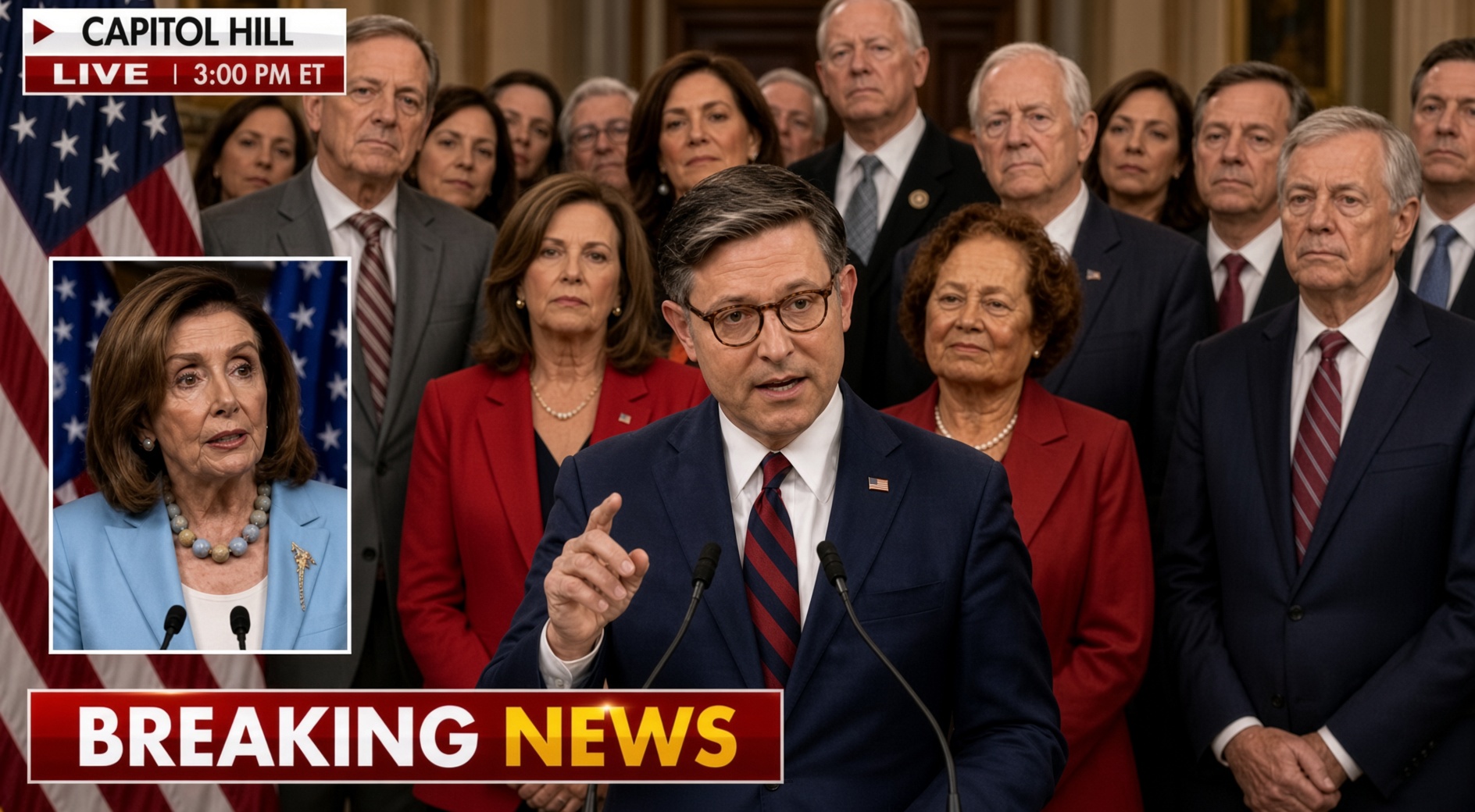
The House of Representatives overwhelmingly approved legislation Thursday to extend the federal Terrorism Risk Insurance Program through 2034, delivering a bipartisan vote aimed at preserving stability in the nation’s commercial insurance market. Lawmakers passed H.R. 7128, the TRIA Program Reauthorization Act of 2026, by a vote of 373-15. The legislation, sponsored by Rep. Mike Flood, R-Neb., chairman of the House Financial Services Subcommittee on Housing and Insurance, now moves to the Senate for consideration.
Created by Congress in the aftermath of the September 11, 2001, terrorist attacks, TRIA provides a federal backstop for property and casualty insurers facing catastrophic losses from certified acts of terrorism. The program requires participating insurers to make terrorism coverage available while establishing a system under which the federal government shares in exceptionally large losses after a qualifying event is formally certified.
House Financial Services Committee Chairman French Hill, R-Ark., said the program is intended to give businesses and policyholders confidence that insurance coverage will remain available following a catastrophic terrorist attack. “The purpose of TRIA is spelled out in the original law,” Hill said during floor debate, emphasizing the program’s goal of creating a transparent system for sharing insured terrorism losses between the public and private sectors.
Program Changes and Extended Authorization
Flood similarly argued that while the program has never paid a claim, Congress should continue updating its structure to protect taxpayers and improve transparency. The legislation would extend TRIA’s authorization for seven years beyond its current expiration at the end of 2027. It would also make several changes to the program, including increasing the minimum insured-loss threshold required for an event to qualify for federal terrorism insurance protections.
Beginning in 2029, that threshold would rise from $5 million to $10 million. The bill would also give the Treasury Department explicit statutory authority to publicly explain its process for determining whether an incident qualifies as an act of terrorism under TRIA. Supporters say those changes would strengthen safeguards while maintaining the program’s central purpose: ensuring that businesses can obtain terrorism insurance even when the potential losses from a major attack could overwhelm private insurers.
TRIA operates as a public-private partnership. Private insurers remain responsible for losses within specified retention levels, while the federal government provides support only after losses from a certified event reach established thresholds. No claims have been paid under the program since its creation, a fact supporters frequently cite as evidence that TRIA functions primarily as a market-stability mechanism rather than a routine source of federal payouts.
Business Support and Next Steps
Business organizations, including the U.S. Chamber of Commerce and the American Bankers Association, have supported reauthorization. They argue that reliable terrorism coverage is particularly important for commercial real estate, construction projects, financial lending and large public venues. Without an extension, industry officials have warned that some insurers could reduce or withdraw terrorism coverage, potentially increasing premiums or making coverage more difficult to obtain in major metropolitan areas and at high-profile properties.
Supporters contend that the legislation will provide long-term certainty while ensuring that taxpayers remain protected against unnecessary federal exposure. The bill now heads to the Senate, where lawmakers will determine whether to advance the reauthorization before the current program expires at the end of 2027.