WASHINGTON — Efforts to ease the escalating confrontation between the United States and Iran remain uncertain as military operations, economic pressure and the struggle over maritime access continue to shape the conflict.
At the center of the standoff is the Strait of Hormuz, one of the world’s most strategically important waterways and a critical route for global energy shipments. Shipping traffic through the strait has fallen sharply amid renewed fighting and threats of further retaliation, raising concerns about the security of commercial vessels and the broader impact on international energy markets. Reuters reported Tuesday that only seven commodity vessels passed through the waterway on Monday, down from eight the previous day.
The decline followed Iranian warnings that energy infrastructure and U.S. oil and gas interests in the Gulf could become targets in response to further American attacks. The warnings have added to uncertainty for shipping companies operating in one of the world’s most important maritime chokepoints.
Diplomatic Efforts Face Major Obstacles
Diplomatic efforts have continued alongside the military confrontation, but significant disagreements remain between Washington and Tehran.
The future of the Strait of Hormuz has become a central issue in discussions over any potential settlement. Earlier negotiations included efforts to establish arrangements allowing commercial vessels to move through the waterway, but disagreements over control of shipping routes and related conditions have complicated those efforts.
The broader dispute also involves Iran’s nuclear program, sanctions and security guarantees. With military operations continuing, the possibility of achieving a comprehensive agreement remains uncertain.
Iran has also indicated plans to establish a new maritime “exclusion zone” outside the Strait of Hormuz, potentially targeting vessels it believes are connected to countries involved in the conflict. The announcement has further heightened concerns about the safety of international shipping.
Economic Pressure Adds to Iran’s Challenges
The confrontation has also placed growing pressure on Iran’s economy.
U.S. sanctions and restrictions on Iranian energy exports have complicated Tehran’s ability to generate revenue and maintain normal trade. The effects have been particularly visible in Iranian port communities, where reduced maritime activity has affected businesses, employment and imports.
The economic consequences extend beyond Iran. Reduced shipping through Hormuz can affect global oil markets because the waterway remains an important route for petroleum exports from the Gulf.
Reuters reported that despite significant disruptions, substantial quantities of oil continue to move through the strait. Alternative export routes and increased production elsewhere have helped offset some of the disruption, limiting the immediate impact on global crude supplies.
Military Confrontation Continues
The diplomatic uncertainty comes as military tensions remain high.
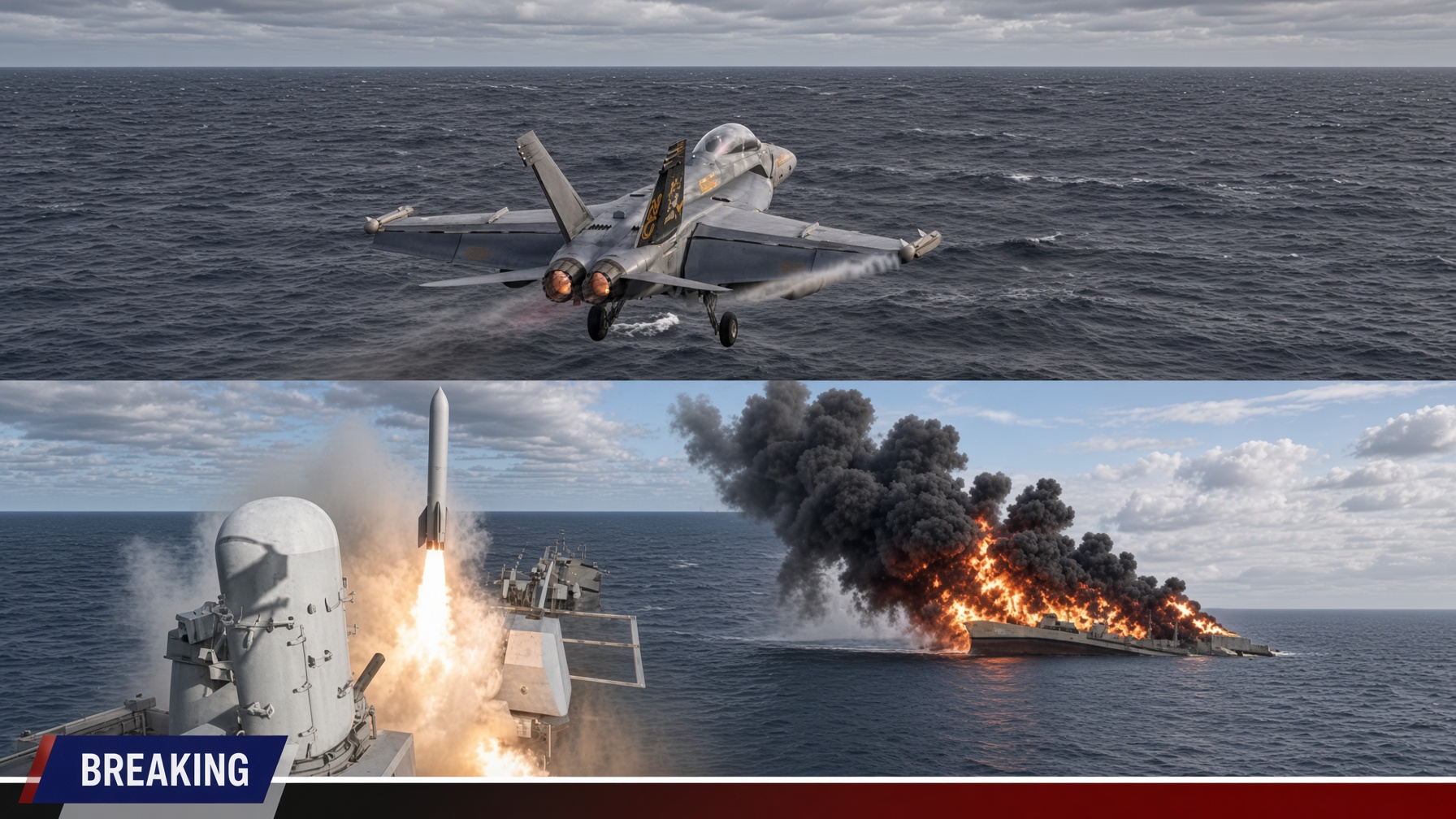
The United States has carried out strikes against Iranian targets, while Iran has responded with missile and drone attacks against U.S. interests and regional allies. The fighting has increasingly affected maritime activity, with vessels operating near the strait facing heightened risks.
The U.S. military has also acknowledged strikes involving Iranian oil tankers after saying American warships had been targeted with ballistic missiles. The incidents have further complicated efforts to maintain commercial shipping through the region.
Global Energy Markets Remain in Focus
The uncertainty surrounding Hormuz has kept energy markets on alert. Any prolonged disruption could affect crude oil supplies, shipping costs and fuel prices, although current global supply conditions and alternative transportation routes have prevented an immediate return to the extreme price pressures that might otherwise accompany a major supply shock.
For Washington and Tehran, the central challenge remains finding a path toward de-escalation while addressing the unresolved disputes over Iran’s nuclear program, sanctions, maritime security and freedom of navigation.
For now, however, military pressure and diplomatic uncertainty continue to move in parallel. With Iran threatening additional maritime restrictions and the United States maintaining pressure on Tehran, the Strait of Hormuz remains one of the most consequential flashpoints in the broader conflict.
Any durable settlement would likely require agreements covering security, nuclear restrictions, sanctions and commercial shipping. Until those issues are resolved, uncertainty surrounding the waterway—and its importance to the global economy—is likely to remain a defining feature of the U.S.-Iran confrontation.