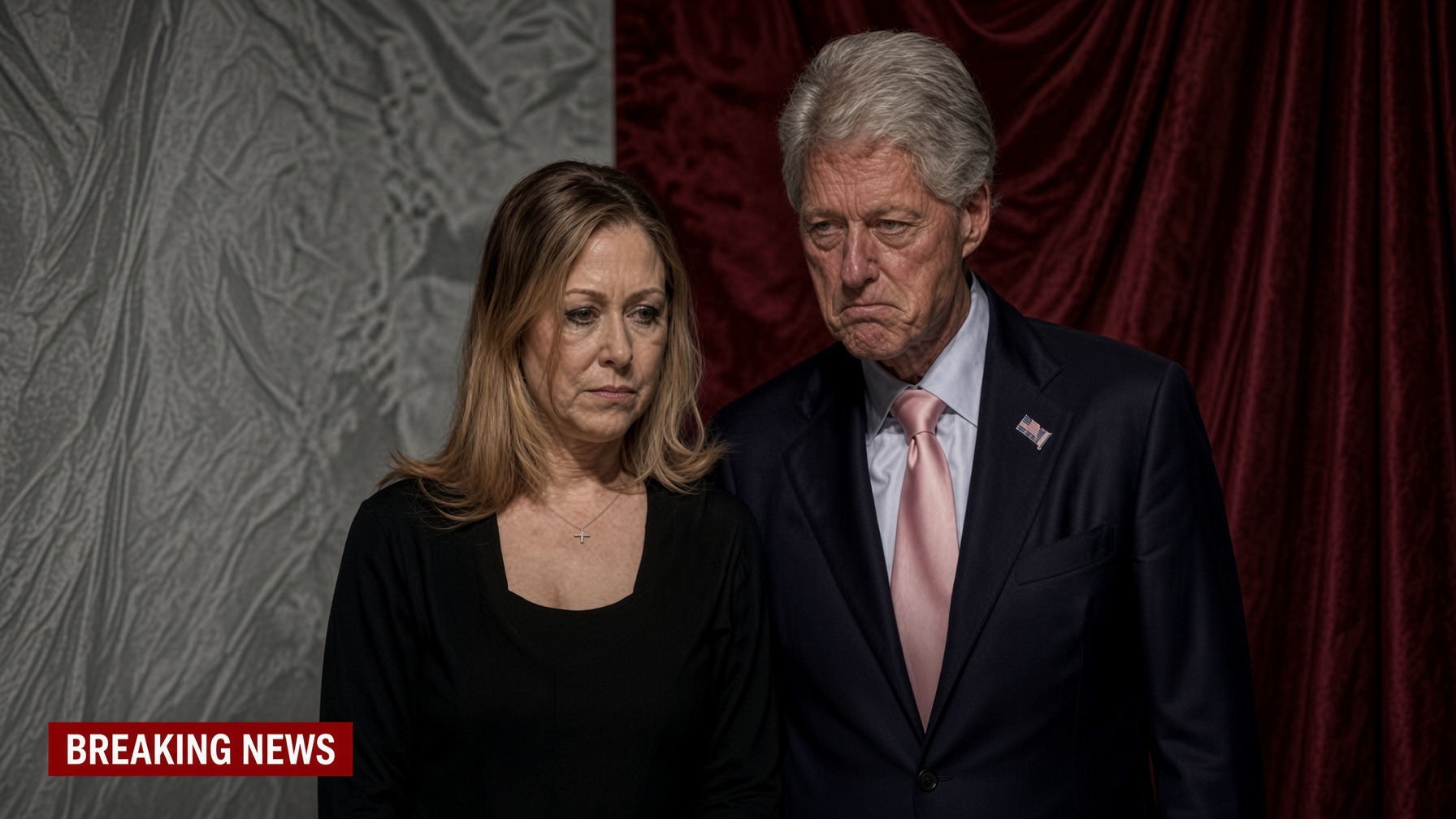
NEW YORK — Former President Bill Clinton issued an upbeat assessment of his recovery following a six-day hospital stay for a serious infection, thanking medical staff and well-wishers while affirming his intention to stay active in public life.
In a video address released Wednesday, the 75-year-old former commander-in-chief appeared somewhat weathered but spoke in steady spirits, reflecting on a sudden health scare that drew international attention.
“I was so touched by the outpouring of support I received during my stay in the hospital,” Clinton said, directing heartfelt praise to the doctors and nurses who oversaw his care. “I’m really glad to be back home. I’m doing great, enjoying this beautiful fall weather.”
Clinton was admitted to the intensive care unit at the University of California, Irvine Medical Center in Orange, California, after feeling fatigued during a private event for his foundation. An aide familiar with the situation told The Associated Press that the hospitalization stemmed from a urological infection that had spread into the bloodstream. Aides and physicians emphasized that while the infection had become systemic, the former president never lapsed into septic shock—a life-threatening medical emergency.
Medical personnel noted marked clinical improvement prior to his discharge. Dr. Alpesh Amin, chair of the Department of Medicine and executive director of hospital medicine at UC Irvine Health, stated that Clinton’s fever and white blood cell counts had normalized following treatment with intravenous fluids and targeted antibiotics. Doctors permitted him to return to his home in Chappaqua, New York, to finish a prescribed oral antibiotic regimen under the supervision of his personal medical team.
The episode prompted concern across the political spectrum, underscored by Clinton’s extensive medical history. During and after his two terms in the White House from 1993 to 2001, Clinton faced several health challenges, including quadruple bypass surgery in 2004, a procedure to treat a collapsed lung in 2005, and the placement of two coronary stents in 2010. Those prior cardiac operations led him to overhaul his lifestyle and adopt a predominantly plant-based diet.
Clinton leveraged his latest brush with illness into a broader public health plea, urging viewers—particularly older adults—not to ignore subtle warnings from their bodies.
“I want to remind everyone out there: Take the time to listen to your bodies and care for yourselves,” Clinton said. “We all have work to do, and each of us has an important role to play in life and in the immediate future. I, for one, am going to do my best to be around to keep doing the most good I can for a lot longer.”
Now resting at home, the 42nd president is expected to resume light philanthropic work through the Clinton Foundation once he concludes his antibiotics. For a statesman whose vitality has long been central to his political persona, the brief address offered both a sigh of relief for supporters and a reaffirmation of his enduring drive.