BEIT SHEMESH, Israel — An Iranian ballistic missile struck a residential neighborhood in Beit Shemesh on March 1, killing nine people and injuring dozens, destroying a synagogue and causing extensive damage to a public bomb shelter and nearby homes.
The strike occurred during a wider confrontation between Israel and Iran, transforming a neighborhood west of Jerusalem into a scene of devastation. Emergency crews, police officers, military personnel and medical teams rushed to the area as rescuers searched through collapsed structures and debris for victims and survivors.
The attack demonstrated the severe risks facing civilians as ballistic missiles reach populated areas despite air-defense operations and warnings. It also prompted urgent questions about the circumstances of the failed interception and the protection available to residents seeking shelter during an incoming attack.
Missile Destroys Synagogue and Damages Shelter
Warning sirens sounded across parts of central Israel before the missile struck the neighborhood shortly before 2 p.m. local time, according to reports published after the attack.
The impact devastated the Tiferet Israel synagogue and heavily damaged the public bomb shelter beneath the building. Nearby homes and other structures also sustained significant damage, with broken concrete, shattered building materials and debris scattered across the surrounding area.
Emergency personnel worked amid unstable structures and damaged infrastructure while medical teams treated the injured. The death toll initially reported by first responders rose as additional victims were recovered from the wreckage.
More than 40 people were reported injured, including children. Victims were transported to hospitals in the Jerusalem area, where medical personnel assessed their conditions and provided treatment for injuries ranging in severity.
The scale of the destruction left residents and emergency workers confronting the immediate consequences of a direct ballistic-missile impact in a residential setting.
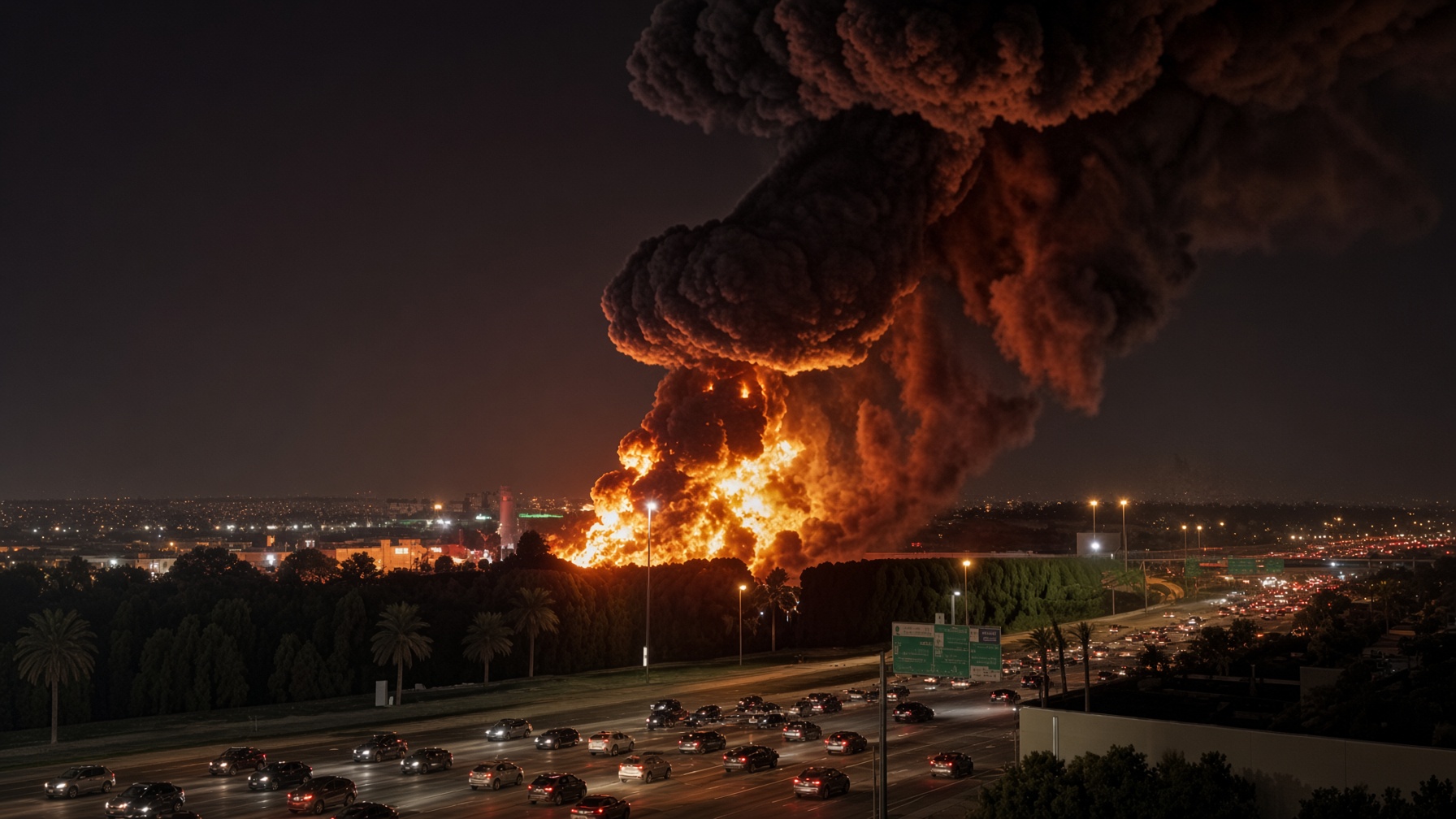
Questions Over Air Defense and Shelter Safety
The strike prompted investigations into two critical issues: why Israeli air-defense systems failed to prevent the missile from hitting the neighborhood and how the damaged shelter performed during the impact.
Israeli military officials said the circumstances surrounding the interception failure were under investigation. Although air-defense activity had taken place, the missile reached Beit Shemesh and struck the area directly. Reports estimated that the missile carried a warhead weighing approximately 500 kilograms, although the exact payload was not independently confirmed by every source.
The condition of the public shelter also became a major focus. Because people had gathered inside it after warning sirens sounded, the destruction raised concerns about the limits of protection against a direct hit from a large ballistic missile.
However, subsequent findings offered an important distinction. An Israeli Home Front Command investigation reported that the shelter met applicable safety standards and that most people inside survived the impact. The investigation found that the missile had penetrated the shelter beneath the synagogue, causing catastrophic damage.
Later reporting also indicated that the victims were not all in the same location when the missile struck. Some were inside the shelter, while others were near its entrance or outside it. The circumstances varied among the nine fatalities, underscoring the danger posed by the blast and the destruction surrounding the impact site.
The findings highlighted the difference between a shelter failing to meet safety requirements and a shelter being overwhelmed by a direct strike from a powerful weapon.
Nine Victims Remembered
As authorities confirmed the identities of those killed, the human cost of the attack became clearer.
The victims included three siblings from the Biton family: Yaakov, Avigail and Sara, who were teenagers. Other victims included Sara Elimelech and her adult daughter, Ronit; Bruria Cohen and her adult son, Yosef; 16-year-old Gabriel Baruch Revach; and 46-year-old Oren Katz.
The deaths devastated several families and left the wider community mourning the loss of children, parents and other relatives.
The killing of three siblings was particularly devastating for their family. Their deaths became a painful symbol of the civilian toll of the conflict, illustrating how quickly an ordinary day can turn into a tragedy when a missile strikes a populated area.
For the families, the aftermath involved more than the loss of loved ones. Residents also faced damaged homes, disrupted routines and uncertainty about when affected buildings and surrounding areas could be safely occupied again.
A Wider Conflict With Regional Consequences
The Beit Shemesh strike occurred amid escalating hostilities between Israel and Iran, as missile launches, air-defense operations and military attacks intensified across the region.
For Israeli residents, the confrontation brought repeated warning sirens and urgent decisions about when and where to seek protection. The attack demonstrated that even when civilians respond to warnings, the consequences of a direct missile impact can be devastating.
The incident also raised broader concerns about the protection of civilian infrastructure during armed conflict. Synagogues, residential buildings and public shelters can become sites of severe destruction when weapons strike populated areas.
Amnesty International later investigated the attack, reviewing digital evidence, satellite imagery and interviews with survivors and a rescue worker. The organization said its findings supported the conclusion that an Iranian ballistic missile had struck the neighborhood and called for an independent investigation into whether the attack violated international humanitarian law. Its legal assessment was an allegation requiring consideration under the applicable laws of armed conflict, rather than a judicial finding.
Investigation Continues Amid Community Grief
The March 1 attack left nine people dead, dozens injured and a neighborhood facing the consequences of extensive destruction.
Investigations into the air-defense failure and the circumstances of the impact remain central to understanding how the missile reached the residential area. The findings may also inform future assessments of interception systems, emergency procedures and civilian protection.
Yet for those who lost family members, the broader security questions cannot diminish the personal tragedy.
The deaths in Beit Shemesh serve as a stark reminder that military confrontations carry consequences far beyond strategic targets and political decisions. When a missile strikes a residential neighborhood, the impact is measured not only in damaged buildings but also in families separated, communities shaken and lives permanently changed.