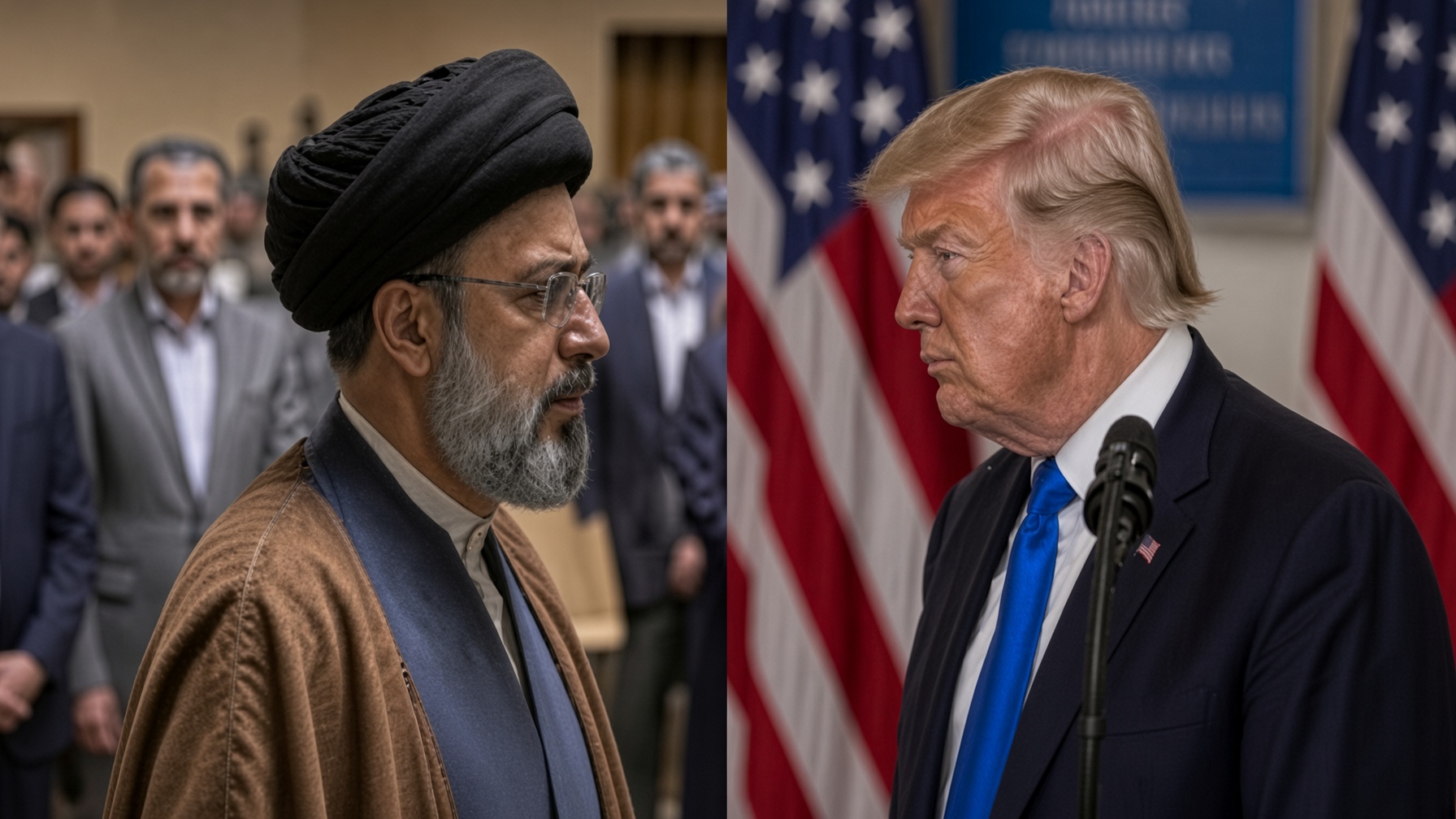
NEW DELHI / WASHINGTON — U.S. Secretary of State Marco Rubio has made restoring safe and unrestricted navigation through the Strait of Hormuz a central objective of the Trump administration’s efforts to address the conflict with Iran, as diplomatic negotiations continue alongside renewed maritime security threats across the Persian Gulf.
The strategic waterway remains one of the world’s most important energy corridors, connecting the Persian Gulf with international shipping routes through the Gulf of Oman. Disruptions in the strait can affect oil and natural gas shipments, increase transportation costs and create uncertainty across global energy markets.
Although Washington and Tehran reached a memorandum of understanding in June intended to address outstanding issues, recent attacks on commercial vessels and renewed threats to maritime traffic have demonstrated that the agreement has not eliminated the region’s security risks.
The challenge for the Trump administration is to translate diplomatic commitments into lasting changes on the water while pursuing broader objectives concerning Iran’s nuclear program and regional security.
Freedom of Navigation Remains a Priority
Rubio has repeatedly emphasized that commercial vessels must be able to travel through the Strait of Hormuz safely. The administration has linked the restoration of maritime traffic to wider efforts to reduce tensions and establish a more durable arrangement with Tehran.
The stakes extend well beyond the United States and Iran. The waterway is a major route for internationally traded crude oil and liquefied natural gas, making its security a concern for energy producers, shipping companies and importing countries worldwide.
Restrictions, attacks or uncertainty surrounding passage can prompt vessel operators to reconsider routes, delay voyages or demand higher insurance coverage. Even when shipments continue, heightened security risks can increase costs throughout the supply chain.
In October, renewed attacks on tankers and Iranian warnings concerning maritime routes added to concerns about commercial shipping. Reuters reported on October 8 that the risks facing vessels had increased as Tehran threatened to block routes it considered unauthorized. The developments highlighted the continuing gap between diplomatic commitments to restore navigation and conditions confronting ships in the region.
June Memorandum Established a Diplomatic Framework
Diplomatic efforts gained momentum in June, when Washington and Tehran reached an understanding intended to address outstanding issues, including the cessation of military operations and freedom of navigation through the Strait of Hormuz.
Qatar welcomed the agreement and credited Pakistan, alongside regional and international partners, with helping bring the parties toward negotiations. Doha described the memorandum as a foundation for further talks aimed at resolving differences through diplomatic means.
The agreement did not resolve every major dispute. Instead, it established a framework for continued discussions on maritime security, military de-escalation and Iran’s nuclear activities.
Qatar has continued to support the diplomatic process. On June 30, its foreign ministry said technical meetings between American and Iranian delegations were continuing, even as tensions surrounding the strait intensified. The ministry identified freedom of navigation, Iran’s nuclear program and the broader regional situation as key issues under discussion.
The continuation of technical talks indicates that diplomatic channels remain available. However, progress in negotiations does not automatically guarantee compliance on the ground, particularly when security incidents continue to occur.
Military Activity Complicates Negotiations
Diplomacy has proceeded amid persistent disagreement over military operations and responsibility for threats to commercial shipping.
U.S. officials have described American military actions in the region as necessary to protect personnel, defend maritime traffic and respond to threats attributed to Iranian forces. Washington has also sought to maintain pressure on Tehran to comply with commitments concerning the strait.
Iran, meanwhile, has disputed American accounts of the conflict and challenged Washington’s military and economic pressure. The two governments have continued to disagree over the terms required for a lasting settlement.
This creates a difficult environment for negotiators. Each new maritime incident can raise concerns about whether existing arrangements are being respected, while military responses risk widening the disagreement the negotiations are intended to resolve.
For shipping operators, the immediate priority is whether vessels can pass through the area without facing unacceptable danger. For governments, the challenge is establishing security arrangements that can endure beyond a temporary reduction in hostilities.
Iran’s Nuclear Program Remains a Major Dispute
The nuclear issue represents another central obstacle to a comprehensive agreement.
The Trump administration has sought restrictions intended to prevent Iran from developing or acquiring a nuclear weapon. U.S. negotiating objectives have included limits on enrichment activities, measures addressing enriched uranium and mechanisms for verifying compliance.
Washington has also pressed for arrangements that extend beyond the terms of the 2015 nuclear agreement. Any future settlement would likely require detailed negotiations over the scope of restrictions, monitoring procedures, sanctions and the consequences of violations.
These issues are technically complex and politically sensitive. A durable agreement would need clearly defined obligations and credible verification measures so that both sides understand what is required and how compliance will be assessed.
The nuclear negotiations are also connected to the maritime dispute because progress in one area could influence the wider diplomatic relationship. Nevertheless, agreement on shipping security alone would not settle the longstanding disagreements over Iran’s nuclear activities.
Global Energy Markets Watch for Signs of Stability
The uncertainty surrounding Hormuz continues to affect the outlook for international energy trade. Tanker operators, insurers and energy companies must assess both the physical risks to vessels and the possibility that political decisions could further restrict access.
Higher insurance premiums, delayed shipments and changes in routing can raise costs for producers and consumers. A prolonged disruption could also increase pressure on fuel prices and complicate efforts by governments to manage inflation.
Although alternative export routes and adjustments in shipping patterns can provide some flexibility, they cannot fully eliminate the strategic importance of the strait.
A Fragile Path Toward De-escalation
For Rubio and the Trump administration, the immediate challenge is to sustain negotiations while responding to continuing security concerns. The June memorandum provided a framework for diplomacy, but renewed maritime threats demonstrate that a lasting settlement remains uncertain.
Any comprehensive agreement would need to address freedom of navigation, Iran’s nuclear program, sanctions, military de-escalation and procedures for verifying commitments.
Until those issues are resolved, diplomacy and security operations will continue to shape events across the Persian Gulf.
The central question is no longer simply whether Washington and Tehran can agree on the principle of reopening the Strait of Hormuz. It is whether they can establish and maintain conditions that allow commercial shipping to move safely, reduce the risk of renewed confrontation and provide lasting stability for the region and the global economy.