WASHINGTON — Tensions across the Middle East intensified on July 28, 2026, after the U.S. military reported intercepting multiple Iranian ballistic missiles aimed at American forces in the region, followed by coordinated U.S.-Saudi airstrikes against Iran-aligned militant groups in eastern Iraq.
The developments marked a significant escalation in the confrontation involving Washington, Tehran and regional partners, raising fresh concerns about the security of American personnel, the protection of critical energy infrastructure and the possibility of further military retaliation.
U.S. Central Command (CENTCOM) said the Iranian missile attack was an attempted surprise strike against U.S. forces stationed in the Middle East. The command reported that all the missiles were intercepted and that American forces remained on high alert.
Hours later, U.S. and Saudi military forces carried out precision strikes against sites they said were being used by Iran-aligned groups accused of directing attacks against American personnel and Saudi energy facilities. Reuters and other news organizations reported the operations as part of a rapidly developing regional security crisis.
U.S. Military Says Iranian Missiles Were Intercepted
According to CENTCOM, Iran’s Islamic Revolutionary Guard Corps (IRGC) launched multiple ballistic missiles toward U.S. forces on July 28.
The command described the launch as an attempted surprise attack and said American air-defense systems successfully intercepted every missile. Officials did not initially identify the precise location targeted in their public statement.
Iran’s Revolutionary Guards subsequently said they had fired ballistic missiles toward a U.S. military installation and a command center in Jordan, describing the action as a response to American military operations. The competing accounts highlighted the direct confrontation between Washington and Tehran, although the full operational details were not immediately available for independent verification.
The reported interceptions avoided the immediate consequences of a successful strike on American positions. However, the launch demonstrated that the threat of direct missile attacks remained despite efforts to reduce hostilities and pursue diplomatic options.
CENTCOM said U.S. forces remained vigilant and prepared to respond to additional threats.
U.S. and Saudi Arabia Launch Joint Strikes in Iraq
The missile incident was followed by coordinated airstrikes conducted by U.S. Central Command and the Saudi Arabian Armed Forces against Iran-aligned groups operating in eastern Iraq.
CENTCOM said U.S. and Saudi fighter aircraft struck multiple logistics and weapons facilities associated with groups that the command accused Iran’s Revolutionary Guards of directing to attack American forces and Saudi energy infrastructure.
The operation followed more than 30 aerial drone attacks over a 72-hour period that U.S. officials attributed to IRGC-directed groups, according to CENTCOM’s account. The military said the attacks against U.S. forces had not succeeded.
Saudi Arabia also reported that its air defenses had intercepted drones targeting oil facilities in the kingdom’s Eastern Province. Riyadh said the joint operation was intended to respond to the threats against its territory and critical infrastructure.
The participation of Saudi forces added an important regional dimension to the operation. Although Washington and Riyadh have maintained close security ties, the strikes demonstrated a more direct military response to attacks that officials attributed to Iran-aligned groups.
Saudi officials said the kingdom did not seek a broader escalation but reserved the right to respond to attacks. Iran, meanwhile, denied responsibility for the attacks on Saudi targets, according to Reuters reporting.
Iraq Becomes Another Front in the Conflict
The strikes underscored Iraq’s increasingly complicated position in the regional confrontation.
The country hosts a range of armed groups, including factions with close ties to Iran. Some operate within Iraq’s broader security structure, while others have been accused by Washington of carrying out attacks against U.S. personnel and facilities.
Military operations against such groups risk creating additional pressure on Iraq’s government, which has sought to prevent its territory from being used to launch attacks against neighboring countries.
The Popular Mobilization Forces, an umbrella organization incorporating several armed factions, reported that facilities associated with the organization had been struck. Iraqi authorities faced the challenge of investigating the attacks while addressing the broader security implications for the country.
The situation illustrates how confrontations between Washington and Tehran can extend beyond their own borders, drawing in regional partners and armed organizations operating across national boundaries.
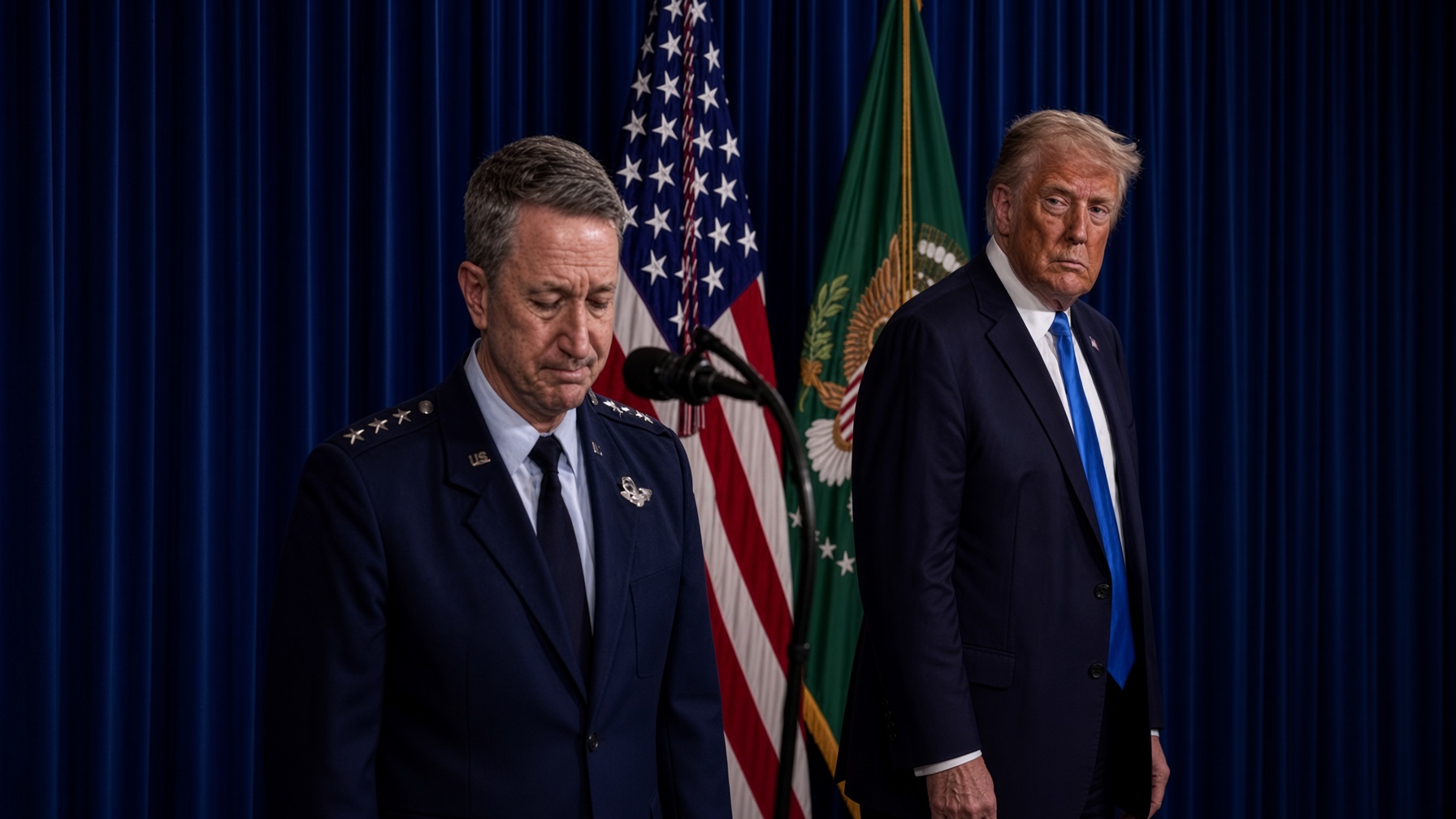
American Forces Maintain Heightened Readiness
CENTCOM has reported that more than 50,000 U.S. service members are deployed across the Middle East, reflecting the scale of America’s regional military presence.
Those forces operate from installations and facilities that support air operations, maritime security, intelligence gathering and cooperation with partner nations. The continuing threat of missiles and drones places additional demands on air defenses, surveillance systems and force-protection measures.
For U.S. commanders, intercepting incoming missiles is only one part of the challenge. Protecting personnel and infrastructure also requires identifying launch sites, tracking potential follow-up attacks and assessing whether armed groups may attempt retaliation after military operations.
The July 28 developments raised the prospect of another cycle of attacks and counterattacks, particularly if Iran or aligned groups respond to the strikes in Iraq.
Diplomacy Faces Renewed Pressure
The military escalation also complicated efforts to contain the wider conflict through diplomacy.
Washington has maintained that attacks against U.S. personnel and regional infrastructure must stop, while Tehran has portrayed its military actions as responses to American operations. These competing positions have made it difficult to establish a stable framework for reducing hostilities.
The strategic importance of the Strait of Hormuz adds another layer of concern. The waterway is a major route for international oil and liquefied natural gas shipments, meaning that a broader confrontation could affect energy markets, shipping costs and the economic outlook well beyond the Middle East.
Any prolonged disruption to maritime traffic or attacks on regional energy facilities could have consequences for countries that depend on Gulf exports.
A Dangerous Regional Turning Point
The reported missile interceptions and joint airstrikes marked another serious moment in the U.S.-Iran confrontation. Although CENTCOM said all the Iranian missiles were intercepted, the subsequent operation in Iraq demonstrated that military responses were continuing across multiple fronts.
The central questions now concern whether the parties will pursue further retaliation, whether regional partners can protect critical infrastructure and whether diplomatic efforts can prevent another expansion of hostilities.
For Washington, Riyadh and neighboring governments, the immediate priorities remain the protection of military personnel, the security of energy facilities and the prevention of attacks that could widen the conflict.
The events of July 28 underscored how quickly direct missile launches, drone attacks and operations against allied armed groups can become interconnected. Without a durable reduction in hostilities, the region faces continued uncertainty over security, energy supplies and the prospects for a broader diplomatic settlement.