
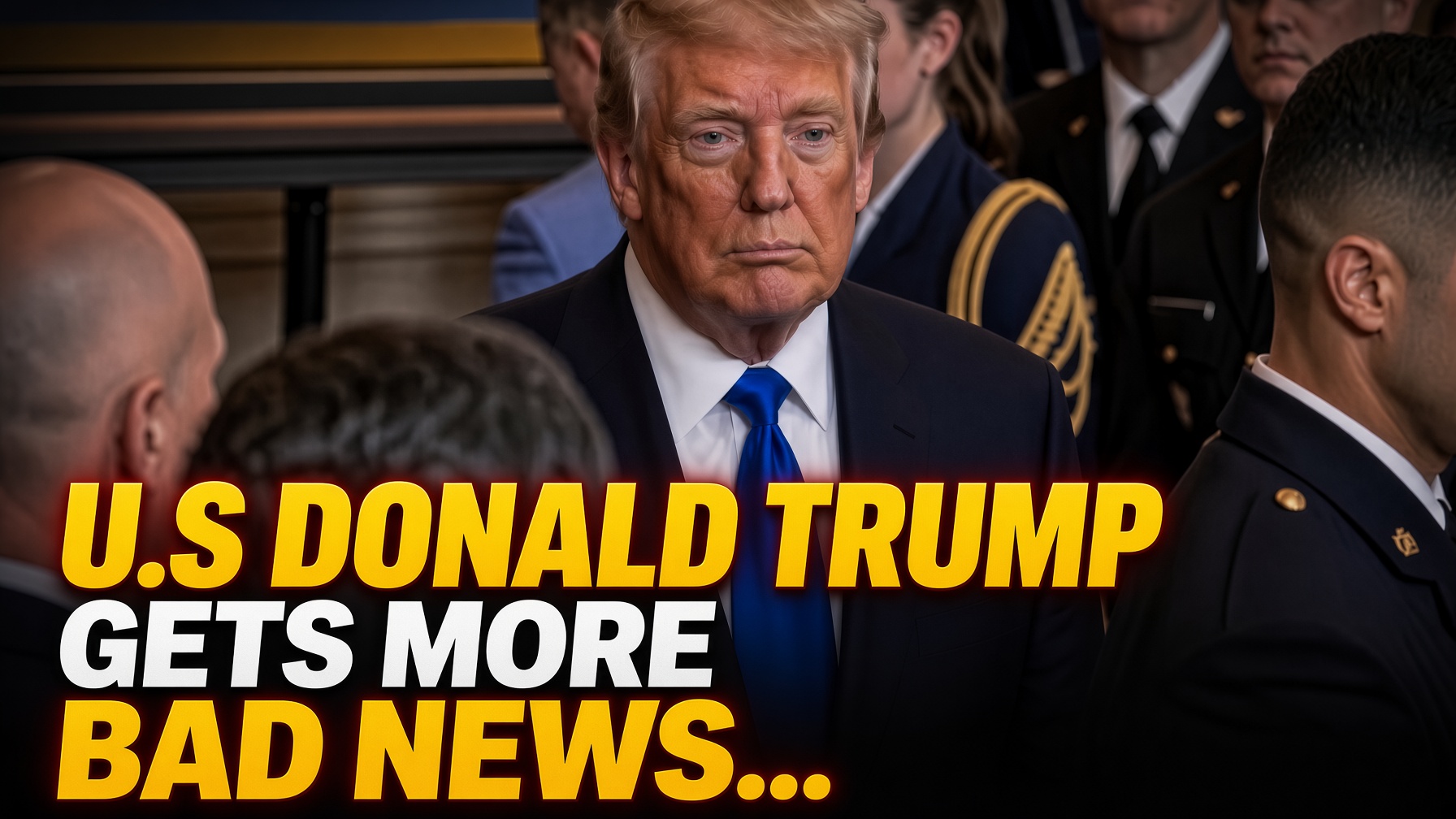
Prosecutors filed sweeping criminal charges against former U.S. President Donald Trump, accusing him of attempting to interfere with the lawful transfer of power following the 2020 presidential election. The indictment included allegations of conspiracy to defraud the United States, obstruction of an official proceeding, and conspiracy against rights related to the election process. Prosecutors argued that the alleged actions were part of a deliberate effort to interfere with government procedures rather than merely protected political speech.
The case was regarded as one of the most significant legal challenges ever brought against a former American president. Constitutional experts said it raised important questions about the limits of presidential authority and how far political leaders may go when contesting election results. Trump and his legal team strongly denied the allegations, maintaining that his actions were lawful and protected by the First Amendment.

The federal case was ultimately dismissed after Trump returned to the presidency, following Justice Department policy concerning the prosecution of a sitting president. The broader legal and constitutional issues surrounding the 2020 election and presidential conduct remain highly divisive. The case and its aftermath continue to influence debates over presidential accountability, election challenges, and the boundaries of executive power in the United States.